


Is Covid-19 Sexually Transmitted?
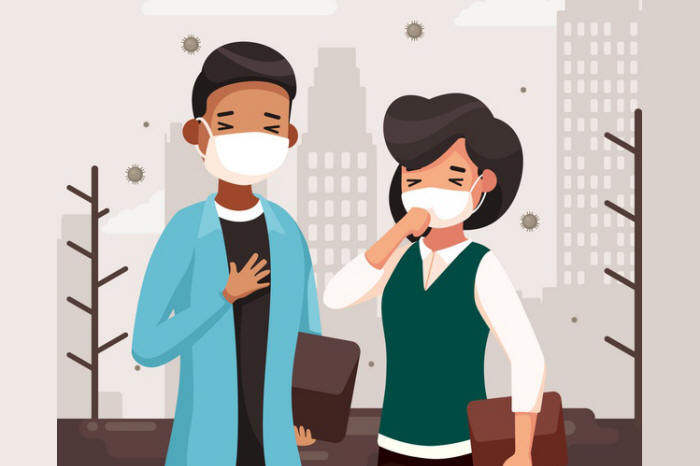
The Covid-19 pandemic has wide-spread ramifications all over the world. Prolonged lockdowns have brought in numerous changes in the way we think, act and behave. It is also impacting the psyche of the individual and of the herds.
On the sexual front, some people find the lockdown as a blessing because they discovered that they are less stressed, more relaxed and have enough time to spend for themselves. Others find the extra time suffocating and sexually demanding, causing sexual problems. Yet others are finding ways to explore partners outside of their homes despite restrictions on movement.
Per current knowledge, the corona virus causing the Covid-19 illness is not passed on through sexual intercourse. The sexual fluids involved in vaginal or anal intercourse do not contain the virus. To that extent, it is not an STD. But the corona virus is transmitted in a much easier route, that is, through droplets from the nose and the mouth. Therefore, coming into close contact with a person carrying the virus with or without symptoms, even non-sexually, can quickly infect you.
The answer is both yes and no!
Here are some guidelines for sexual activities during Covid-19 pandemic:
- If you have symptoms of Covid-19 (a dry persistent cough, temperature or difficulty in breathing), avoid not only sex (oral, vaginal or anal) but also any form of close contact with your partner, including cuddling, kissing, hugging or other forms of physical touch. Take all Covid precautions suggested by the government, such as hospitalization or quarantined home-based treatment.
- If you have no symptoms but are frequently moving in high risk places such as crowded markets, or if you are a part of healthcare, sanitation, security, surveillance or volunteer personnel, consider yourself at risk and stay away from sexual activity with partner.
- If you and your spouse (or the long-term/regular sexual partner) are free of Covid-19 symptoms, and if both of you are in no/low risk category, then you can ‘continue having consensual sex as normal for your relationship’. It is safe.
- If you or your partner have sex with people who don’t live with you, then better avoid that, as the risk of getting Covid is heightened.
- If you have a medical condition (e.g., respiratory or heart condition, diabetes, kidney disease etc.) that puts you at greater risk of getting severe COVID-19, then you should be extra careful with all aspects of your life – including your sex life.
- Having sex with yourself (masturbation) is SAFE and one of the best ways to keep enjoying in Covid times.
- Sex workers are encouraged to take a break from their business temporarily and seek alternative sources for livelihood, to safeguard themselves.
If you have sex with someone you don’t live with, the following measures help you lower the risk of getting or spreading COVID-19:
- Avoid kissing or exchanging saliva with anyone outside of your household.
- Avoid sexual activities which include licking around the anus (Evidence suggests that the virus is present in feces, so licking around anal areas may also be a way the virus is passed on).
- Use condoms or dental dams to reduce contact with saliva or feces.
- Take a shower and wash your hands and body thoroughly with soap and water both before and after sex.
- If you use sex toys, wash these thoroughly with soap and water and do not share them.
- Consider sexual arousal techniques that don’t involve physical contact – like talking.
- Mutual masturbation while physical distancing.
- Limit your physical interactions by reducing the number of sexual partners you have overall, and/or at the same time.
If you are not planning pregnancy now, keep sufficient supply of contraceptives (pills, condoms etc.) for the next several weeks.
It's possible that medical termination of pregnancy (abortion) services may not be available if an unwanted pregnancy occurs during the pandemic.