Birth Control Pill: Beyond Prevention of Pregnancy
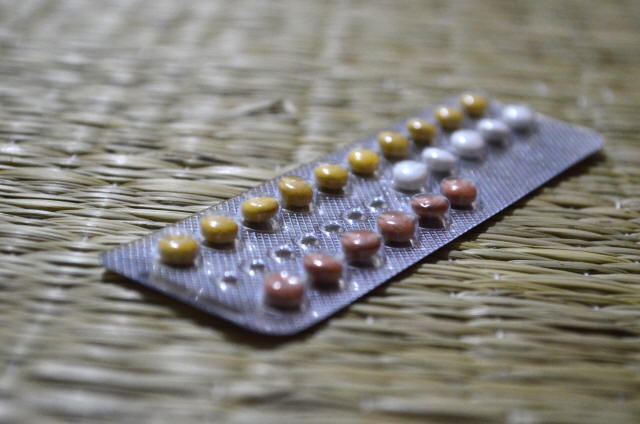
There are several uses for oral contraceptive (birth control) pills beyond the well-known benefit of preventing pregnancy. Most commonly, birth control pills contain both estrogen and progesterone hormones, which act together to prevent ovulation. However, more than 50% of the women that take the pill use it for a purpose other than preventing pregnancy.
A typical pack of pills contains 21 hormone-based pills, and 7 inactive ones to mimic a 28-day menstrual cycle. A woman gets her period during the week she takes her inactive pills. Thus, the pills enable a woman to get periods every 28 days. For those women that prefer to have their period only a few times a year, they may opt for an ‘extended cycle’, where active hormone pills are taken for an extended period of time, typically 3 months.
Migraines that occur around the time of a period are associated with a drop in estrogen levels. Birth control pills help in the management of such migraines by hindering fluctuations.
The pill thins the uterine lining which leads to lighter periods. This is a benefit for several women that are affected by heavy bleeding (menorrhagia), which can cause anemia. The pill also lessens pain arising from cramps. It tricks the uterus into producing smaller quantities of chemicals that set off cramps.
Acne and excess hair growth are two problems that affect many women’s self-esteem. Simply put, this is a direct result of the body producing surplus androgens (all women produce androgens, but usually in small concentrations). The pill helps keep the male hormones under check leading to clearer skin and lesser facial and body hair.
Painful and heavy bleeding is a symptom of endometriosis, where the tissue that normally grows inside the uterus develops outside. Since the pill thins the uterine lining, the painful symptoms come under control.
PCOS affects around 10% of women that are in childbearing age (20 – 40 years) and around 30% of women overall. A condition that is triggered by hormonal imbalance, PCOS exhibits multiple cysts on the ovary, irregular periods, acne, excess hair on body and face, and infertility, among others. Most of these symptoms are brought under control by the pill.
The chance of developing ovarian cancer is reduced by around 50% in women that have been taking the pill for 5 years or longer. This is a great benefit because ovarian cancer is one such cancer which is oftentimes detected only at an advanced stage. There is also growing evidence on the pill offering lower risk for developing endometrial cancer.
This article is meant to educate the reader and is not a substitute for a doctor’s advice or prescription. Always consult a doctor before taking any medication.