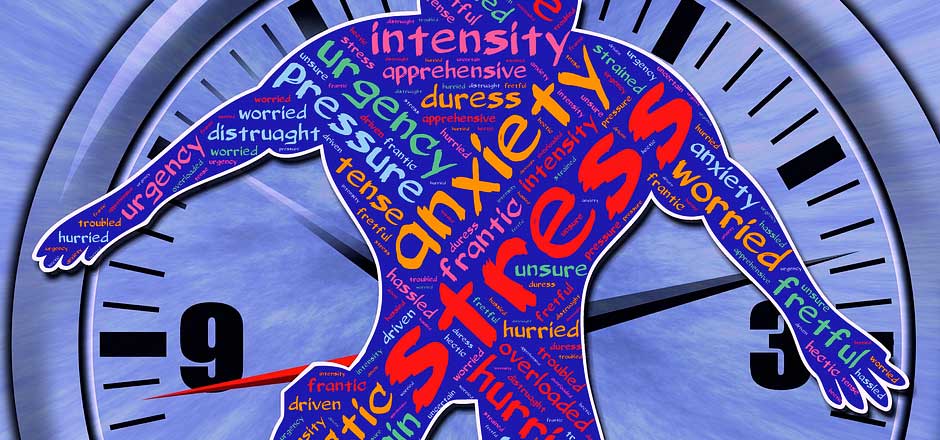
Stress is a feeling of emotional strain and pressure. It is a type of psychological pain. Small amounts of stress may be desired, beneficial, and even healthy. But moderate to severe stress can affect your health and well-being in many ways.
Stress is one of the most common and strong barriers to sex too. Far too many people suffer from sexual problems caused by stress, anxiety, worry, tension, and the exhaustion of a stressful life — and yet remain unaware of it.
If you want to perform well in sex (for that matter, in any activity), then never try too hard. Sex should happen in a relaxed environment. Never force it upon yourself. Stay relaxed. Keep anxiety out of your body's way, for any trace of anxiety, tension, fear, worry, or distraction can pop sexual arousal — like a tiny pin prick blowing up a huge balloon.
“When your body is wracked with stress, tension and anxiety, and your mind wracked with worry and distractions, sweet sex is nearly impossible,” says Dr. Stefan Bechtel.
Stress affects you physically, physiologically, and mentally. During stress, blood vessels supplying blood to the penis don’t dilate fully and the sphincter that serves to stop the blood flowing back into the body fails to constrict adequately, both contributing to poor erections.
Failed erections cause additional stress, and stress causes more erection problems. Thus, a pattern of failure gets established. In no time, you are conditioned to expect erectile failure every time you attempt sex. That's how stress operates on your bodily responses.
Stress disrupts hormones as well. Under stress, testosterone levels fall, as do the levels of FSH which promotes sperm production. To add fuel to the fire, cortisol, the main stress hormone, makes the testes less responsive to LH (luteinizing hormone), which instructs the testes to produce testosterone.
At an emotional level, stress can lead to anxiety, depression, anger, guilt, or a combination of these. Each one is a powerful obstacle to sexual fulfillment. Together, they form a difficult cycle to break.
The underlying driver behind all these reactions is the mind. Reconditioning the brain is the key element in reversing this cycle.
- Sometimes, simply recognizing that stress is causing the sexual problem is enough to begin recovery.
- Share your anxiety with your partner; don’t try to hide it. Sharing your tension, anxiety, and worry will relieve the burden and guilt. You will feel much more at ease when receiving reassurance from your partner, paving the way for a faster recovery.
- Remember that very often, even complex-seeming problems have simple causes and simple solutions. Avoid becoming overly dependent on search engines. While online searches provide vast information, it is often hard to discern what is accurate or applicable to your specific situation.
- Don’t hesitate to seek professional guidance, even for seemingly minor concerns. The experience and clinical training of a therapist provide tailored solutions. Most sexual concerns at a younger age do not require elaborate testing; often simple recommendations quickly restore normal function.
- Exercise regularly. Physical activity boosts confidence, improves hormone balance, enhances blood circulation, and strengthens self-image. A positive self-image directly supports healthy sexual function.
- Get enough sleep. Avoid attempting sex at the end of a long day when you are experiencing fatigue and exhaustion. Instead, consider early morning intimacy when energy levels are naturally higher.
- Nutritional supplements may be considered to support overall energy and vital wellbeing under medical advice.
- Manage stress actively through techniques such as meditation, yoga, progressive muscle relaxation, or engaging in relaxing hobbies.