

Birth Control Pill: 7 Benefits Beyond Preventing Pregnancy
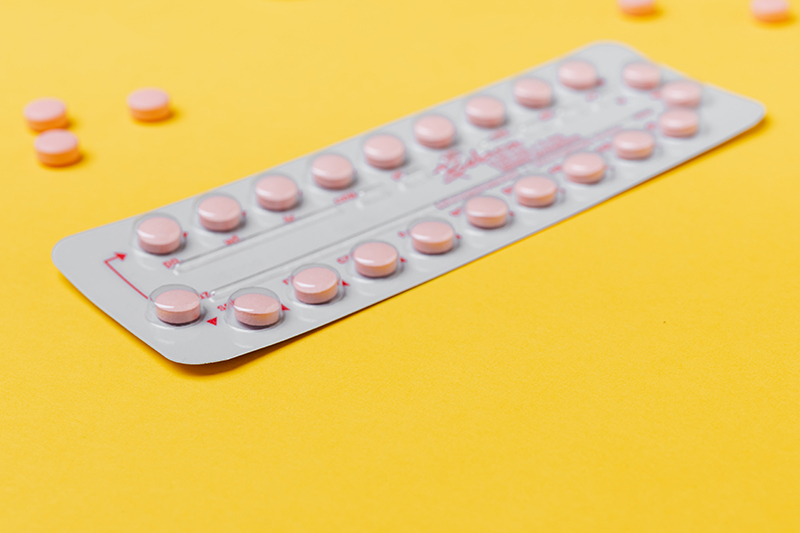
When we hear "birth control pill", we naturally think about preventing pregnancy. But the pill has several other uses too.
For many women, contraception is only one reason for taking it. Depending on the type of pill and the individual's health needs, it can make periods lighter and less painful, improve acne, help control excessive hair growth, and reduce symptoms associated with conditions such as endometriosis and PCOS.
Most commonly, combined oral contraceptive pills contain two hormones — estrogen and progestogen. They mainly work by preventing ovulation, while also making it more difficult for sperm to reach an egg.
But what else can the pill do?
To make periods more predictable
One of the reasons women like the pill is that it makes bleeding more predictable.
With a traditional 28-day pack, there are usually 21 active hormone pills followed by 7 inactive pills, although different pill schedules are available. The bleeding that occurs during the inactive-pill days is actually a withdrawal bleed caused by the temporary drop in hormones, rather than a natural menstrual period.
Some women prefer fewer bleeding episodes. With certain pill regimens, active pills can be taken continuously or for extended cycles, reducing the number of withdrawal bleeds.
This can be particularly useful for women who find their periods inconvenient, painful or disruptive.
To make periods lighter and less painful
The pill keeps the lining of the uterus thinner, so there is less tissue to shed.
As a result, periods are often:
- lighter
- shorter
- less painful
This can be particularly helpful for women who have heavy menstrual bleeding and may develop iron-deficiency anemia as a result.
The hormones in the pill also reduce the production of substances called prostaglandins, which are involved in menstrual cramps.
To help with menstrual migraines
Some women experience migraines around the time of their periods. In some cases, these are triggered by the natural fall in estrogen that occurs just before menstruation.
Hormonal contraception can sometimes help by reducing these hormonal fluctuations.
However, this needs to be discussed with a doctor because combined hormonal contraception is not suitable for everyone with migraine, particularly women who experience migraine with aura, because of an increased risk of stroke.
To improve acne and unwanted hair growth
The pill can be helpful for women troubled by hormonal acne or excessive facial or body hair.
Androgens — hormones often thought of as "male hormones", although women produce them too — can stimulate oil production and hair growth.
Combined pills can reduce the effect of these hormones, which may lead to:
- clearer skin
- less oily skin
- slower growth of unwanted facial or body hair
This is one reason the pill is sometimes prescribed even when pregnancy prevention is not the main concern.
To help manage endometriosis
Endometriosis occurs when tissue similar to the lining of the uterus grows elsewhere in the pelvis and can cause pain, particularly around menstruation.
Hormonal contraceptives can suppress ovulation and reduce menstrual bleeding, which may help control endometriosis-related pain.
They don't remove endometriosis, but they can be an effective way of managing symptoms for many women.
To manage some symptoms of PCOS
Polycystic ovary syndrome, or PCOS, is a common hormonal and metabolic condition. It can cause irregular periods, acne, unwanted facial or body hair and difficulties with ovulation and fertility.
The pill does not cure PCOS, but it can be very useful for controlling some of its symptoms.
It can:
- make bleeding more predictable
- reduce acne
- reduce excessive hair growth over time
- protect the lining of the uterus when periods are very infrequent
An important point is that the pill prevents pregnancy while you are taking it; it does not improve fertility permanently. When pregnancy is desired, other approaches may be needed to help with ovulation.
To reduce the risk of some cancers
There is another important benefit that is sometimes overlooked.
Women who have used combined oral contraceptives have a lower long-term risk of ovarian and endometrial (uterine lining) cancer. The reduction in ovarian cancer risk becomes greater with longer use and persists for years after stopping the pill.
There is also evidence that oral contraceptive use reduces the risk of endometrial cancer.
However, the picture is not entirely one-sided. Oral contraceptive use is also associated with a small increase in the risk of breast and cervical cancer while using the pill or for some time afterwards. The overall balance of benefits and risks varies from woman to woman.
So the pill should not be thought of as either "good" or "bad" for cancer risk. It is more complicated than that.
The pill isn't right for everyone
Although the birth control pill is safe and useful for many women, it is not suitable for everybody.
A doctor may recommend a different contraceptive method if you have certain medical conditions or risk factors, such as a history of blood clots, certain cardiovascular problems, uncontrolled high blood pressure, or migraine with aura.
Smoking is particularly important when considering combined hormonal contraception, especially in women over 35.
There are also progestogen-only pills, which are different from combined pills and may be suitable for some women who cannot take estrogen.
So, choosing a pill should be an individual decision rather than something based simply on what worked for a friend or relative.
So, is the pill only about contraception?
Definitely not.
For many women, the pill is also a way of managing troublesome periods, hormonal acne, endometriosis symptoms, PCOS-related symptoms or menstrual migraines. It may also provide important long-term protection against some cancers.
But it is not a universal treatment, and the choice of pill matters.
The best contraceptive is not simply the one that prevents pregnancy. It is the one that fits your health, your symptoms, your lifestyle and your reproductive plans.
If you are considering starting the pill—or wondering whether a different pill might help with troublesome periods, acne or other symptoms—talk to your doctor or gynecologist about the options that are appropriate for you.